
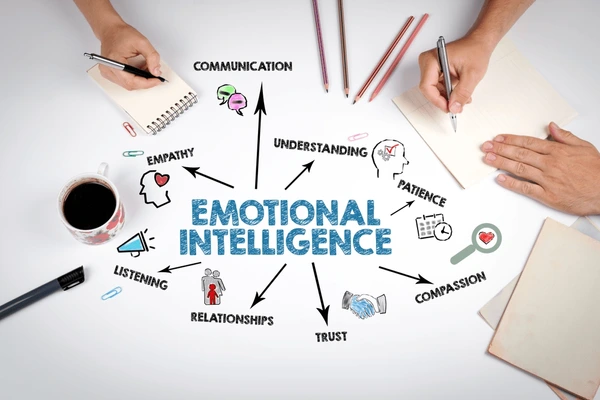
For decades, leadership development focused heavily on cognitive intelligence (IQ) and technical competence. However, research and real-world experience have consistently shown that emotional intelligence (EI) is the strongest predictor of executive success.
Emotional intelligence is the ability to recognize, understand, and manage one's own emotions, as well as to recognize, understand, and influence the emotions of others. In the context of executive leadership, EI becomes a critical competitive advantage.
Why Emotional Intelligence Matters for CEOs:
1. Enhanced Decision Making: Leaders with high EI make better decisions by considering both rational analysis and emotional factors, leading to more balanced and humane outcomes.
2. Improved Relationships: EI enables executives to build stronger relationships with stakeholders, team members, and board directors, fostering trust and collaboration.
3. Better Stress Management: High EI allows leaders to manage stress and pressure effectively, maintaining composure during crises and modeling resilience for their organization.
4. Increased Adaptability: Emotionally intelligent leaders adapt more readily to change, viewing challenges as opportunities for growth rather than threats.
5. Inspired Engagement: CEOs with high EI inspire passion and engagement in their teams, creating cultures where people want to do their best work.
6. Conflict Resolution: EI enables executives to address conflicts constructively, finding win-win solutions rather than escalating tensions.
Developing Emotional Intelligence:
Emotional intelligence is not fixed; it can be developed through conscious effort and practice. Successful executives invest in self-awareness through coaching, feedback, and reflection. They actively work to understand their emotional triggers and develop healthier responses. They also continuously seek to improve their ability to empathize with and understand others.
The most effective leaders understand that technical knowledge and strategic thinking are table stakes. What truly differentiates them is their emotional intelligence—their ability to navigate the human dimension of leadership with authenticity, empathy, and wisdom.